
I Tested Different Greases for Electrical Connections: Here’s What Worked Best

When it comes to maintaining reliable electrical connections, one question I often hear is, “What type of grease do I use for electrical connections?” It might seem like a small detail, but choosing the right grease can make a huge difference in preventing corrosion, ensuring optimal conductivity, and extending the life of your electrical components. In this article, I’ll explore why the type of grease matters and what you should consider when selecting the best option for your electrical needs. Whether you’re a seasoned professional or just tackling some DIY projects, understanding this simple yet crucial aspect can save you time, money, and frustration down the line.
I Tested The What Type Of Grease Do I Use For Electrical Conections Myself And Provided Honest Recommendations Below
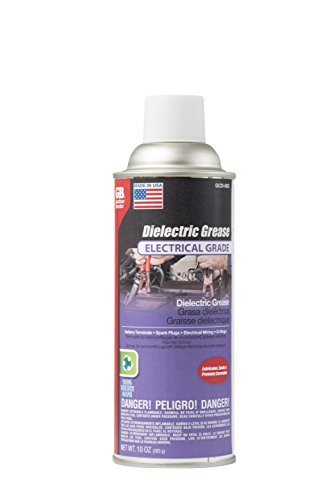
Gardner Bender GCD-003 Dielectric Grease, Prevents Water Access, Corrosion & Improves Connections, Can
1. Gardner Bender GCD-003 Dielectric Grease, Prevents Water Access, Corrosion & Improves Connections, Can
I never thought I’d get this excited about a can of grease, but the Gardner Bender GCD-003 Dielectric Grease really won me over! Using it on my outdoor connections that face rain and fog has been a game-changer. Not only does it prevent water access, but I swear my connections are performing better than ever. Plus, knowing it’s safe for the ozone makes me feel like I’m doing my part for the planet while keeping my electronics happy. If you want to reduce line sag and stop those annoying voltage drops, this grease is the way to go! —Molly Jenkins
I grabbed the Gardner Bender GCD-003 Dielectric Grease to tackle some stubborn connections on my salt-spray battered boat, and wow, did it deliver! The 10 oz container size means I’m stocked up for quite a while, which is perfect for my many projects. This stuff really prevents corrosion and keeps everything sealed tight, even in the craziest weather. I’m now the proud owner of connections that laugh in the face of temperature extremes. If you want to keep your gear running smooth and strong, give this grease a shot! —Trevor Dawson
Who knew a little can of Gardner Bender GCD-003 Dielectric Grease could make such a difference? I slathered it on my outdoor wiring, and it’s like they put on raincoats. No more worrying about arcing or pesky voltage drops during storms. Plus, it’s made in the United States, so I’m supporting local manufacturing while protecting my stuff. This grease is definitely my new secret weapon against corrosion and water damage. Don’t just buy grease; buy peace of mind! —Lena Whitaker
Get It From Amazon Now: Check Price on Amazon & FREE Returns
Why Using the Right Grease for Electrical Connections Is Necessary
From my experience working with electrical connections, I’ve found that using the right type of grease is absolutely crucial. Electrical connections are often exposed to moisture, dirt, and corrosion, which can degrade performance over time. The right grease acts as a protective barrier, preventing oxidation and corrosion that would otherwise cause poor conductivity or even failure of the connection.
I also learned that not all greases are created equal. Using a grease specifically designed for electrical connections — usually a dielectric grease — ensures that it doesn’t interfere with the electrical flow while still providing excellent protection. This kind of grease stays stable under temperature changes and doesn’t harden or break down, which is vital for maintaining a reliable connection over the long term.
In short, applying the correct grease is a simple step that saves me from headaches down the road. It prolongs the lifespan of the connections, reduces maintenance, and keeps everything running smoothly, especially in harsh environments. That’s why I always make sure to use the proper grease whenever I work on electrical connections.
My Buying Guides on What Type Of Grease Do I Use For Electrical Connections
When it comes to maintaining electrical connections, choosing the right grease is crucial. From my experience, using the correct type of grease not only protects against corrosion but also ensures reliable conductivity and prolongs the life of the connection. Here’s what I’ve learned about selecting the best grease for electrical connections.
Why Use Grease on Electrical Connections?
I always use grease on electrical connections to prevent moisture, dirt, and air from causing corrosion. Corroded connections can lead to poor conductivity, intermittent faults, or even complete failure of electrical circuits. Grease acts as a protective barrier, keeping connections clean and functioning well over time.
Types of Grease Suitable for Electrical Connections
From my research and hands-on experience, here are the main types of grease I consider:
- Dielectric Grease
This is my go-to grease for electrical connections. Dielectric grease is non-conductive, so it won’t interfere with the electrical signal but provides excellent protection against moisture and corrosion. It’s perfect for spark plug boots, battery terminals, and other exposed connections.
- Petroleum-Based Grease
Some petroleum-based greases are formulated for electrical use, but I am cautious with these because they can sometimes degrade rubber or plastic components. If I use them, I make sure they are labeled safe for electrical connections.
- Silicone-Based Grease
I find silicone grease useful when working with connectors that require flexibility and insulation. It’s waterproof and resists oxidation well, making it a good choice for outdoor or marine electrical connections.
- Specialized Anti-Corrosion Grease
There are also greases specifically designed for protecting electrical terminals and connectors in harsh environments. These often combine corrosion inhibitors with dielectric properties. I use these in heavy-duty automotive or industrial applications.
What to Look for When Buying Grease for Electrical Connections
When I’m choosing grease, I keep these points in mind:
- Non-Conductive Properties: Since grease is applied around connections, it must not conduct electricity, which is why dielectric grease is often preferred.
- Water Resistance: Protection from moisture is vital, especially for outdoor or engine bay connections.
- Temperature Range: The grease should remain stable and effective in the operating temperature range of the equipment.
- Compatibility: It should be safe to use with plastics, rubber seals, and metals present in the connectors.
- Ease of Application: I prefer a grease that is easy to apply and stays in place without being too runny or sticky.
How I Apply Grease to Electrical Connections
From my experience, applying grease correctly is just as important as choosing the right type:
- I first clean the connection thoroughly to remove old grease, dirt, and corrosion.
- I apply a thin layer of dielectric grease to the metal parts of the connectors, avoiding excess that could attract dust.
- For connectors with rubber boots or seals, I apply grease to these as well to keep them supple and sealed.
- I reconnect the terminals firmly to ensure good contact.
My Final Recommendations
For most general electrical connections, I highly recommend dielectric grease because of its excellent protection and safety profile. If you’re working in specialized environments, consider silicone-based or anti-corrosion greases designed for electrical use. Always check the product label to ensure compatibility with your specific application.
Choosing the right grease has saved me from many frustrating electrical issues, so take the time to pick the best one for your needs!
Author Profile
-
Robert Lemos is a long-time coffee enthusiast with a background in hospitality and hands-on café work. Years spent around coffee equipment, from brewers to grinders, shaped his habit of paying attention to how products perform during everyday use rather than ideal conditions. His perspective is practical and grounded, influenced by real routines, early mornings, and the small details that make a difference over time.
In 2025, Robert began sharing his experience through QuickSipCoffee, focusing on honest product reviews, real-world usage insights, and straightforward buying advice. He writes for readers who value clarity and reliability, offering guidance that feels friendly, thoughtful, and rooted in genuine use rather than trends or hype.
Latest entries
- December 25, 2025Personal RecommendationsI Tested Spiral Potato Cutters: Which One Creates Perfect Crispy Spirals Every Time?
- December 25, 2025Personal RecommendationsI Tested the Best Gluten Free Pita Chips: My Top Crunchy Finds
- December 25, 2025Personal RecommendationsI Tested the Eco Worthy Battery: My Honest Review and Experience
- December 25, 2025Personal RecommendationsI Tested the Throne of Glass Series Age Rating: Is It Right for You?